What to Do Before You Call Your Insurance Company About Hail Damage in Oklahoma
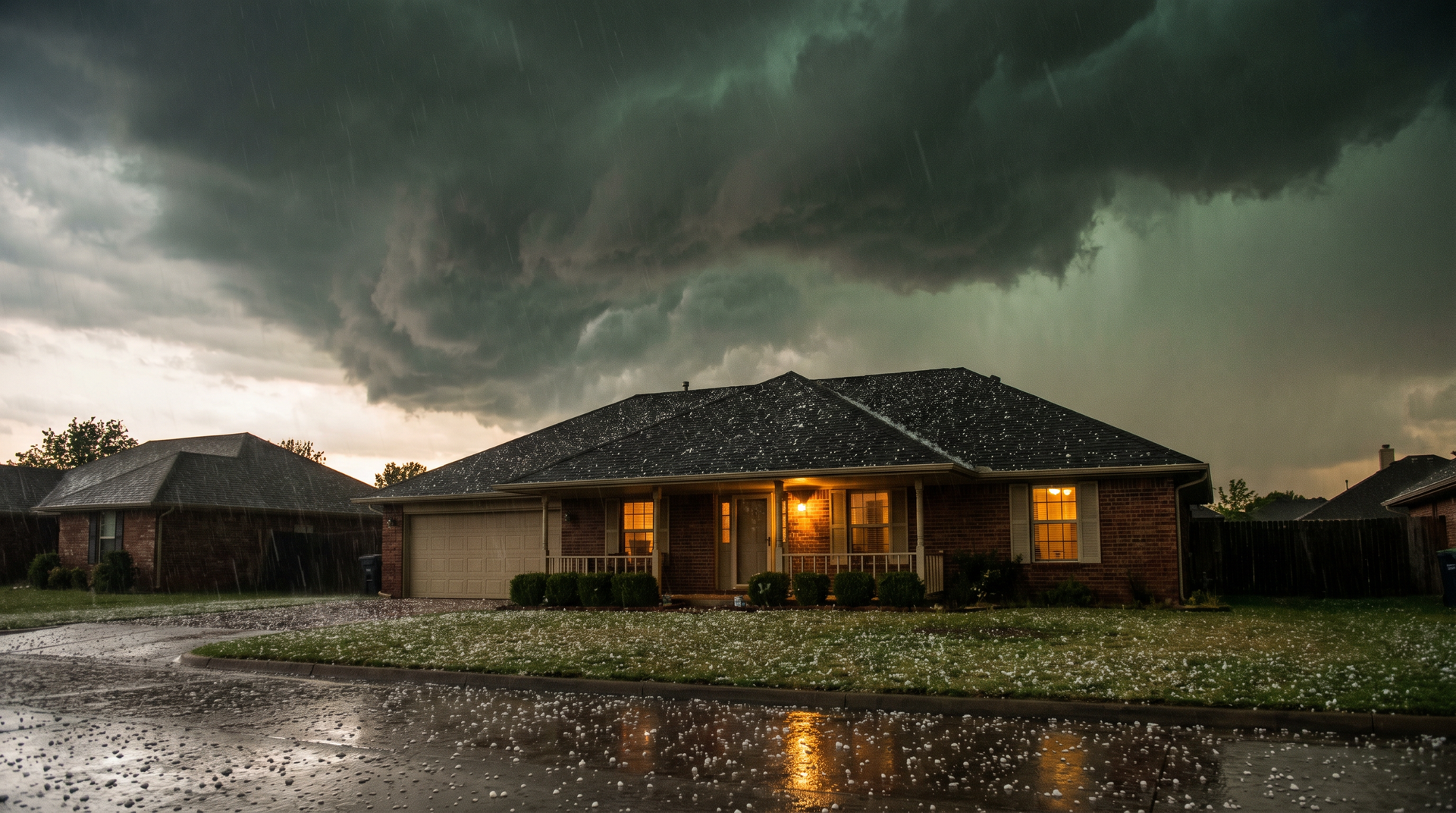
If you live in Oklahoma, you already know the drill. The sky turns green. The phone screams. You hear the ping, ping, ping on your roof and hope for the best.
Then the storm passes, and a new question hits: Is my roof actually damaged? And if it is, what do I do next?
At Big Dawgs Roofing, we get this call a lot. And we've noticed something — most homeowners don't need a sales pitch. They need someone to slow down and walk them through it like a neighbor would. So that's what this guide is.
No pressure. No fear. Just straight talk.
Why Oklahoma Roofs Get Hit So Hard
Oklahoma sits right in the middle of what insurance folks call "Hail Alley." From the OKC metro down through Norman, up through Edmond, and east into Tulsa, our state takes some of the worst hail beatings in the country every spring.
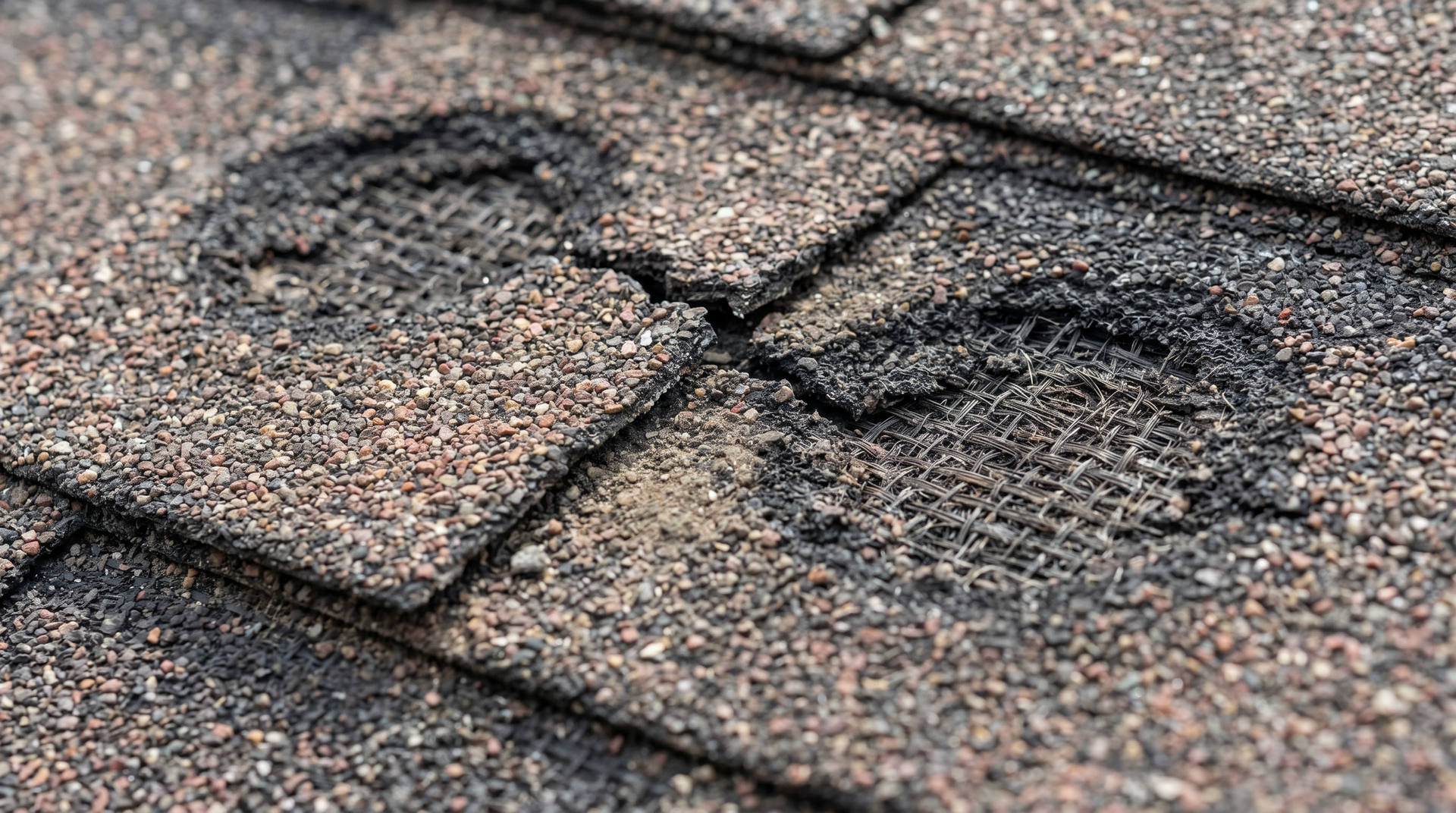
Most Oklahoma roofs are made of asphalt shingles. Those shingles are designed to handle weather — but they are not designed to take a 2-inch hailstone going 100 miles an hour. When that happens, the protective layer of the shingle (called the granules) gets knocked off. Without those granules, your roof starts to age fast, even if it looks fine from the driveway.
That's the part that catches people off guard. Hail damage usually doesn't leak right away. It shows up months — sometimes a year or more — later, as a brown spot on your ceiling.
The First Mistake Homeowners Make
We're going to share something most roofers won't say out loud:
Do not call your insurance company first.
We know that sounds backwards. But here's why. The moment you file a claim, it goes on your record — even if your roof turns out to be fine. And if your insurance adjuster comes out before anyone has documented the damage, key things can get missed.
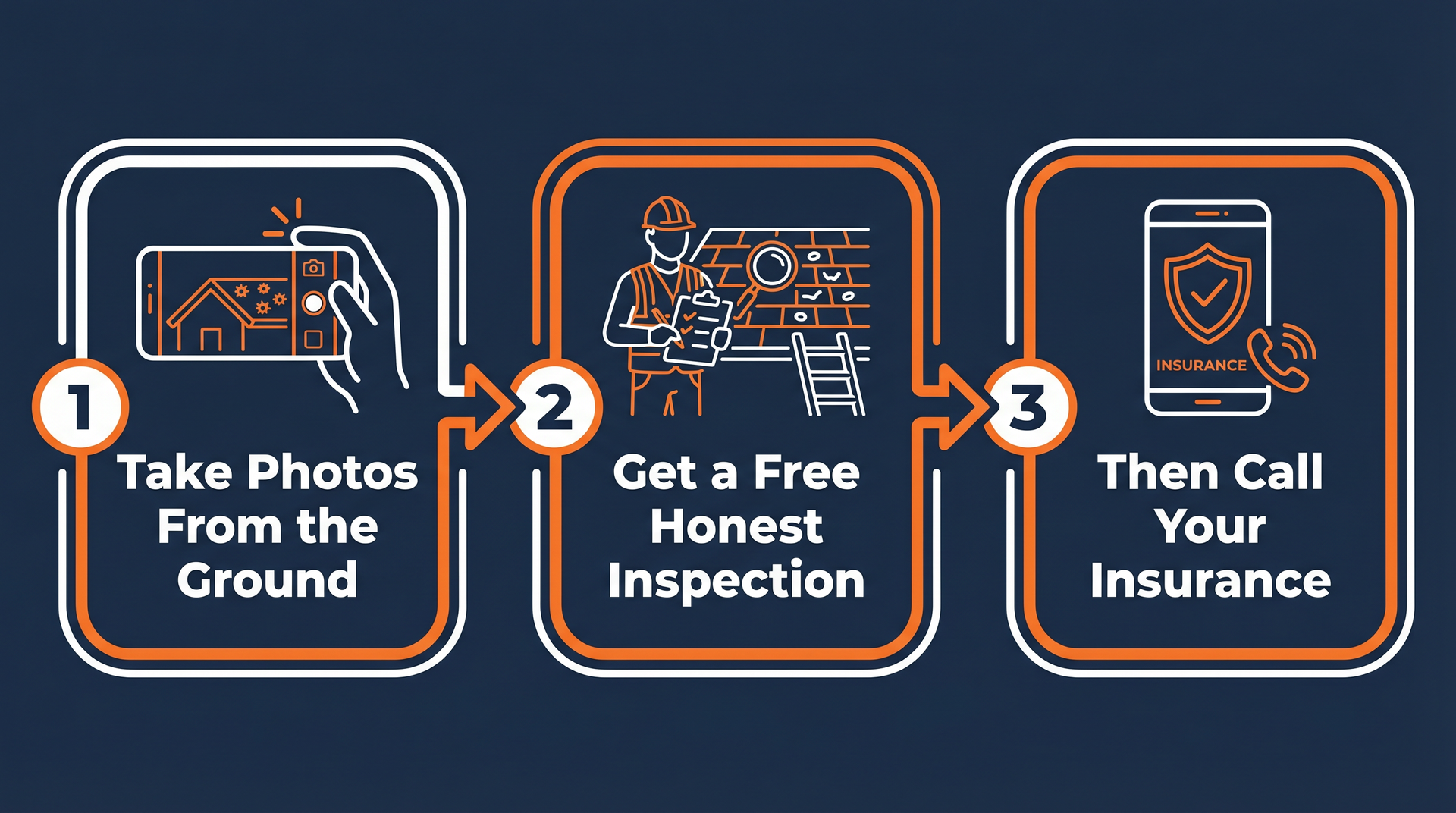
Here's a smarter order:
1. Take pictures of any obvious damage from the ground.
2. Call a local, licensed roofing company for an honest inspection.
3. If they find storm damage, then call your insurance.
A good roofer will tell you the truth either way. If your roof doesn't have storm damage, you don't want to file a claim you can't win. If it does, you want it documented properly before anyone tries to talk you out of it.
What Hail Damage Actually Looks Like
You don't need to climb on your roof. Most homeowners shouldn't. But here's what we look for when we do:
- Dark spots or "bruises" on shingles where granules are missing
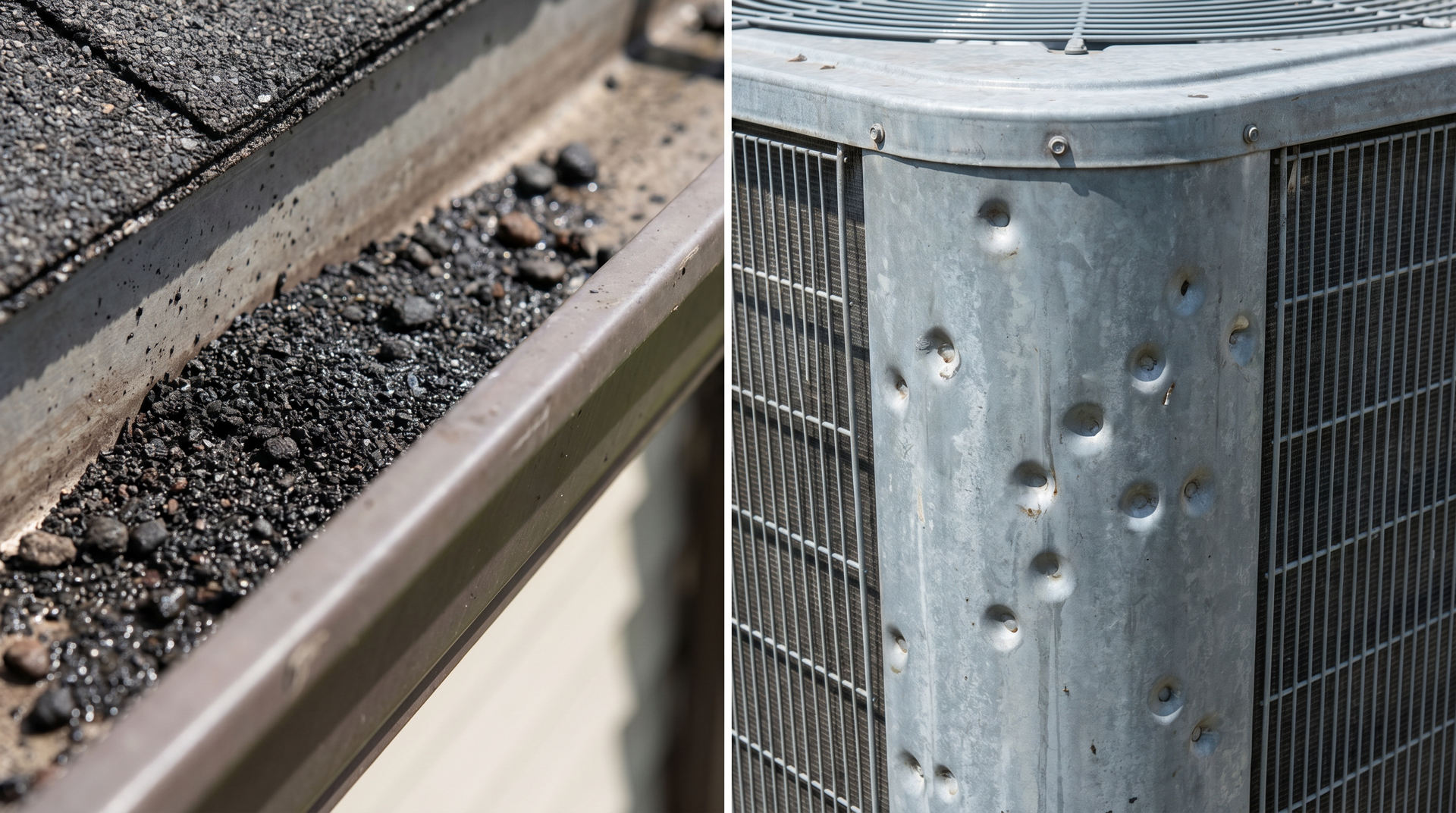
- Pieces of shingle granules in your gutters or at the bottom of downspouts (looks like coarse black sand)
- Dents on metal vents, flashing, or your AC fins — if the metal got dented, the shingles probably did too
- Cracked or split shingles
- Damage to the ridge cap (the shingles running along the very top of the roof)
One thing to know: a roof can pass the "eyeball test" from the ground and still have real damage. That's not a trick. That's just how hail works on shingles.
What Most Oklahomans Get Wrong About Their Policy
There's been a lot of news lately in Oklahoma about insurance disputes — denied claims, lowballed estimates, and homeowners stuck paying out of pocket. We've seen this firsthand with our customers.
Here are a few things worth knowing before you ever pick up the phone:
Your deductible is separate from your premium. If your roof replacement costs $14,000 and your deductible is $2,500, your insurance pays roughly $11,500 (assuming a covered loss). You pay the deductible. Period. Anyone who offers to "cover your deductible" is asking you to commit insurance fraud — and that can get your whole claim denied.
ACV vs. RCV — this matters
- RCV (Replacement Cost Value): Pays what it actually costs to replace your roof today.
- ACV (Actual Cash Value): Pays what your old roof was worth, factoring in wear and tear. This can be thousands less.
Most Oklahoma homeowners assume they have RCV. Many don't. Pull out your policy or call your agent and ask: "Do I have replacement cost or actual cash value coverage on my roof?"
There's a deadline. Most Oklahoma policies require you to report storm damage within 6 to 12 months of the storm date. Wait too long, and even legitimate damage can be denied because you can't prove which storm caused it.
You don't have to use the contractor your insurance "recommends." You have the legal right to pick your own roofer in Oklahoma. A recommendation is not a requirement.
Red Flags That a Roofer Isn't on Your Side
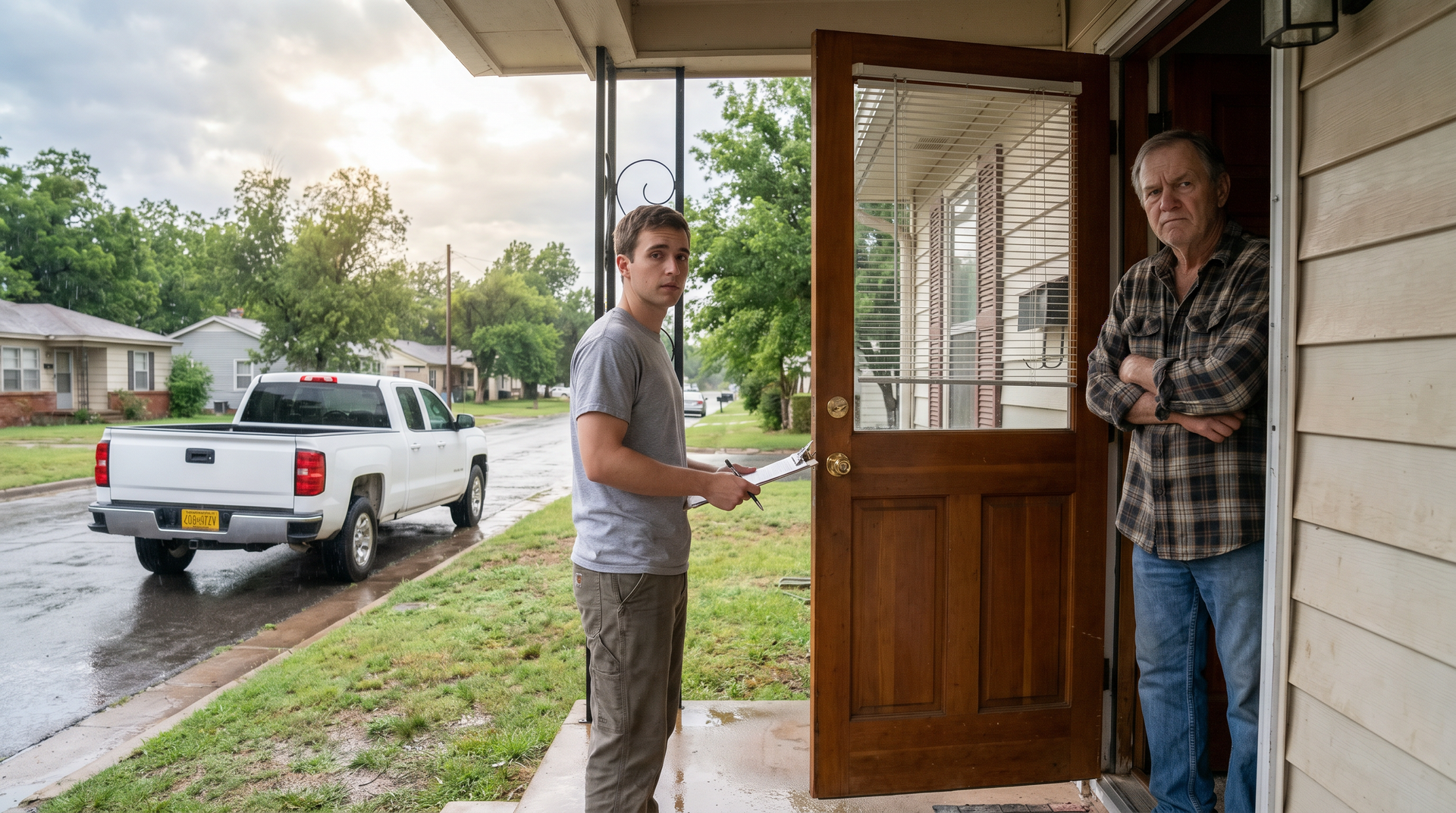
After every big Oklahoma storm, out-of-state crews show up in pickup trucks knocking on doors. Some are great. Many are not. Here's what to watch for:
- They knock on your door and say they "noticed damage from the street"
- They want you to sign anything before an inspection is even done
- They ask for a big deposit upfront (more than about 10–20%)
- They offer to "eat" or "waive" your deductible
- They can't show you a local Oklahoma address or local references
- They pressure you to file a claim today
A good roofer will let you take your time. A good roofer will show you photos of your roof — not generic stock images. A good roofer will tell you when you don't need a new roof.
What an Honest Inspection Should Look Like
When Big Dawgs comes out, here's what happens:
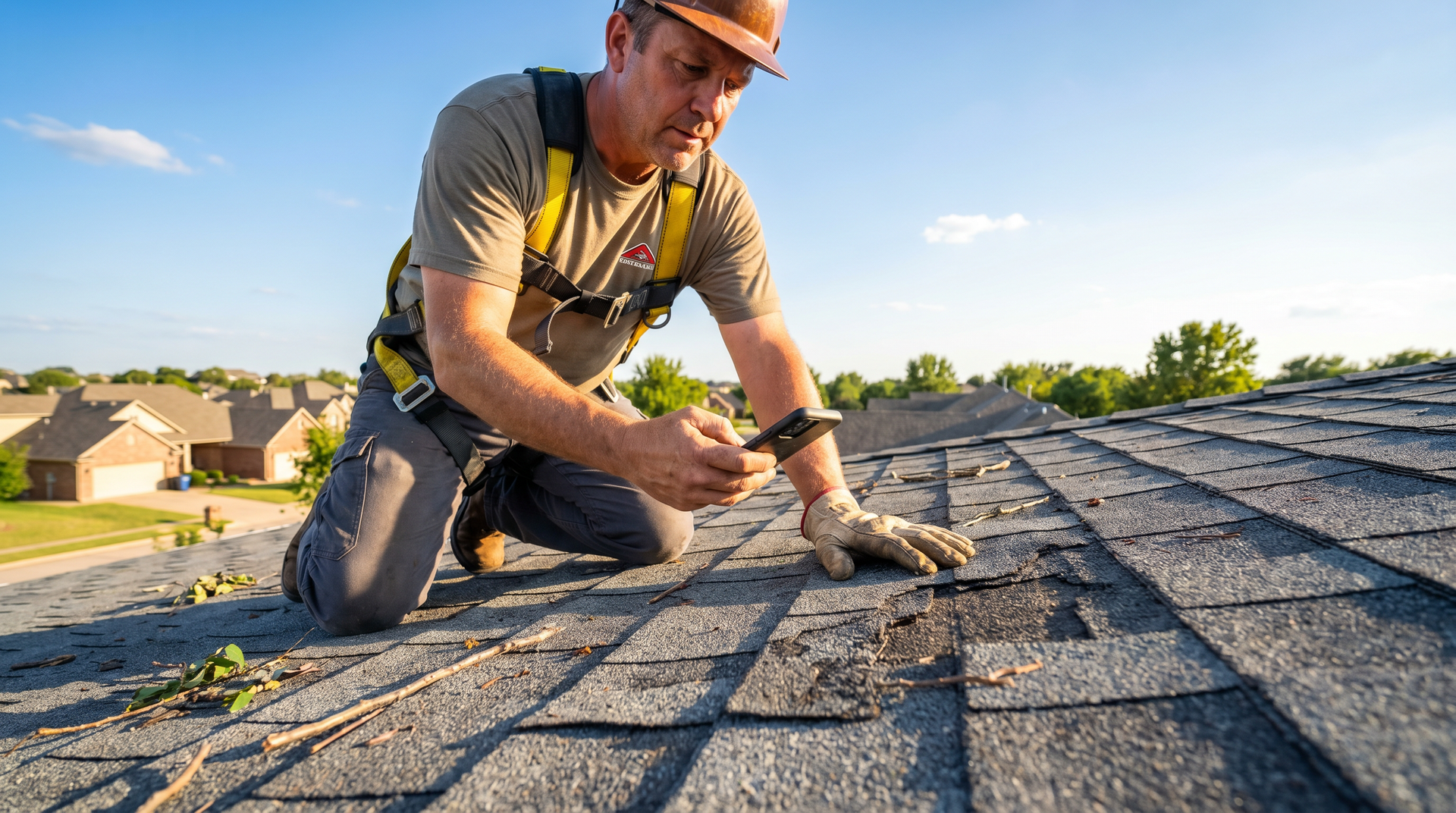
- We walk the roof (carefully) and check the shingles, flashing, vents, and ridge cap.
- We take photos of everything — damaged or not.
- We check your attic if we can, looking for water stains or daylight coming through.
- We sit down with you afterward and explain what we found in plain English.
- If there's no storm damage, we tell you that. No charge. No pressure.
If there is damage, we'll help you understand your options — repair, replacement, or filing an insurance claim — and walk you through what each one involves.
A Quick Word About Filing the Claim
Filing a claim is your right. It's literally what you've been paying premiums for. Two things to keep in mind:
- A storm claim usually doesn't raise your individual rate the way an at-fault claim does. Hail is considered an "act of God." Rates in your area may go up after a big storm season — but that happens whether you file or not.
- Document everything. Save every email. Take notes after every phone call. If you ever need to dispute a denial, that paper trail matters.
If your claim does get denied or lowballed, you have options. You can request a re-inspection. You can ask for a written explanation. And in Oklahoma, you can hire a public adjuster or attorney if it gets serious.
Why "Local" Actually Matters in Oklahoma
We're not going to tell you Big Dawgs Roofing is the only honest crew in Oklahoma. There are good roofers all over this state, and we respect them.
But here's what local should mean:
- A real, physical Oklahoma address — not a P.O. box
- Workers' comp and liability insurance you can verify
- A workmanship warranty backed by a company that'll still be here in five years
- Reviews from your actual neighbors, not strangers two states away
When the storm chasers leave town, the locals are the ones still answering the phone.
One Last Thing
If you're reading this because a storm just rolled through and you're not sure what to do — take a breath. You don't have to figure it all out today.
Get a free, no-pressure inspection from someone you trust. If your roof is fine, you'll have peace of mind. If it's not, you'll have a head start.
Big Dawgs Roofing has been serving Oklahoma homeowners through hailstorms, tornadoes, and everything in between. We'll come out, take a look, and tell you the truth — even if the truth is "your roof is fine, save your money."
Want a free, no-pressure roof inspection? Give us a call or schedule online. We'll walk your roof, show you the photos, and answer every question — no signing, no rushing, no surprises.
Frequently Asked Questions
How long after a hailstorm do I have to file an insurance claim in Oklahoma?
Most Oklahoma policies give you 6 to 12 months from the date of the storm to file a claim, but this varies. Check your specific policy or call your agent. The sooner you have the roof inspected, the better — damage gets harder to tie to a specific storm as time passes.
My roof isn't leaking. Could it still be damaged?
Yes. Hail damage usually doesn't cause leaks right away. It strips the protective granules off shingles, which shortens the roof's life and can lead to leaks months or years later. A leak is often the last sign of damage, not the first.
Will filing a claim raise my insurance rates?
Storm damage claims are generally treated as "acts of God" and typically don't raise your individual rate the way an at-fault claim would. However, rates in storm-prone Oklahoma areas may rise after a heavy hail season regardless of whether you personally file.
Do I have to use the roofer my insurance company recommends?
No. In Oklahoma, you have the legal right to choose your own licensed roofing contractor. An insurance recommendation is just a suggestion, not a requirement.
What's the difference between ACV and RCV?
ACV (Actual Cash Value) pays what your roof was worth in its current, used condition — meaning depreciation is taken out. RCV (Replacement Cost Value) pays what it costs to replace the roof today. RCV is significantly better coverage, but not all policies include it. Ask your agent which one you have.
What if my insurance company denies my claim?
A denial isn't always the end. You can request a re-inspection, ask for a written explanation of the denial, get a second opinion from an independent roofer, or contact a public adjuster or attorney. Document everything in writing.
Should I let a roofer who knocks on my door inspect my roof?
Be cautious. Many door-knockers after Oklahoma storms are out-of-state "storm chasers" who disappear after the job. Always verify their license, insurance, local address, and reviews before letting anyone on your roof — and never sign anything on the spot.